
Blog
When Breathing Becomes a Battle: Asthma First Aid
Asthma affects millions of Australians, including many children. Knowing what’s happening inside the body, how to spot an asthma attack early, and how to give effective first aid can make a life saving difference when every breath counts.
What Is Asthma? The Pathophysiology Explained Simply
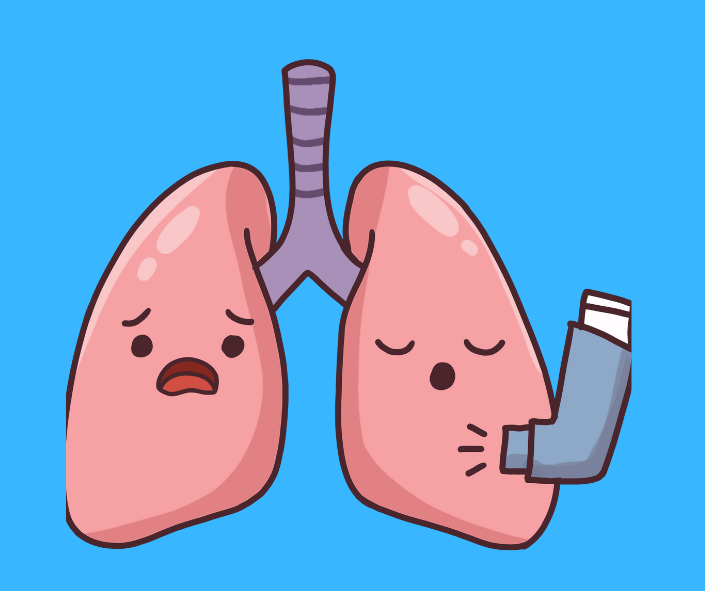
Asthma is a long term condition that affects the airways in the lungs. These airways are the small tubes that carry air in and out when we breathe.
In people with asthma, the airways are extra sensitive. When exposed to triggers such as cold air, exercise, smoke, dust, illness, or stress. The muscles around the airways squeeze, making the tubes narrower. Inflammation causes the inside walls of the airways to thicken.Sticky mucus builds up inside the airways, further blocking airflow.
Together, these changes reduce the amount of air moving into and out of the lungs. This leads to wheezing, coughing, chest tightness, and shortness of breath.During a severe asthma attack, the airways can become so narrow that very little air moves at all. Oxygen levels drop, and this is when the situation becomes life threatening.
Recognising Asthma Attack Symptoms
Asthma symptoms can vary from person to person and may worsen rapidly. Early recognition is one of the most effective ways to prevent a serious emergency.
Mild to Moderate Symptoms
-
Wheezing or a whistling sound when breathing
-
Persistent coughing
-
Shortness of breath
-
Tightness in the chest
-
Difficulty speaking in full sentences
-
Increased mucus or phlegm
Severe of Life Threatening Symptoms
-
Gasping for air
-
Little or no improvement after using reliever medication
-
Inability to speak more than a few words
-
Blue lips or face, a sign of low oxygen
-
Extreme distress, confusion, or drowsiness
-
Becoming silent despite struggling to breathe, a critical red flag
If symptoms are worsening or not improving with medication, this is a medical emergency.
Asthma First Aid: What to Do During an Attack
The First Aid Manual outlines a simple and effective action plan for managing an asthma attack.
1. Sit the person upright and keep them calm
Help them sit upright. Do not lie them down.
Reassure them and encourage slow, steady breathing. Anxiety can make symptoms worse.
2. Assist with reliever medication
Use their reliever inhaler, most commonly blue inhalers such as Ventolin, Asmol, or Airomir.
A spacer should be used if available.
-
Give 4 puffs
-
4 separate breaths per puff
-
Wait 4 minutes
If there is no improvement, repeat.
3. Call Triple Zero (000) if there’s no improvement
If symptoms do not improve after 4 to 8 puffs, or if the person becomes exhausted, distressed, or turns blue, call an ambulance immediately.
4. Continue medication until help arrives
Give 4 puffs every 4 minutes as needed while waiting for emergency services.
5. If the person becomes unresponsive
Check breathing and begin CPR if required.
Follow the DRSABCD Action Plan until help arrives.
Why Fast Action Matters
During an asthma attack, narrowed airways reduce oxygen supply to the brain and vital organs. Delays in first aid increase the risk of:
-
respiratory failure
-
fainting or collapse
-
cardiac arrest
Early recognition and confident first aid can prevent serious complications and save lives.
Asthma is unpredictable. Your response doesn’t have to be.
First aid training gives you the confidence to recognise asthma symptoms early, assist with medication, and take decisive action when a situation escalates. Whether at work, school, home, or in the community, these skills matter.